Does United States have Tanabata and Qixi?
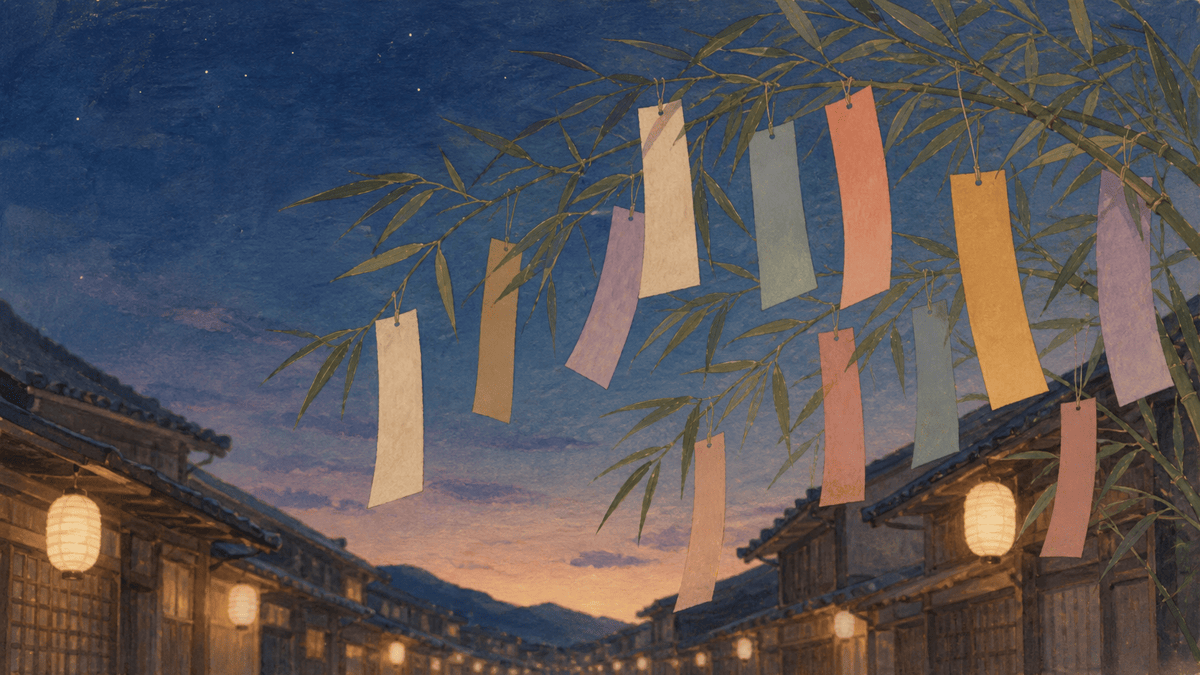
Not observed here
There is no federal day for this in the United States, and structurally there could not be. Title 5, section 6103 of the U.S. Code fixes eleven legal public holidays: New Year's Day; the birthday of Martin Luther King, Jr. (third Monday in January); Washington's Birthday (third Monday in February); Memorial Day (last Monday in May); Juneteenth (19 June); Independence Day (4 July); Labor Day (first Monday in September); Columbus Day (second Monday in October); Veterans Day (11 November); Thanksgiving (fourth Thursday in November); and Christmas (25 December). Every entry is written one of two ways - a fixed Gregorian date, or the nth weekday of a named month. Not one hangs on a lunisolar calendar, and there is no federal mechanism for converting a lunisolar date into a holiday: the list is statute, and adding a day takes an act of Congress. So the seventh night of the seventh month has no institutional position in the United States at all. It exists where communities keep it, and that leaves no federal paper trail.
What is this topic?
One legend about a weaver and a herdsman, one date in the seventh lunar month, and three societies that made three different festivals out of it.
Taiwan keeps it on the lunar calendar and stacks two things on the same day — a couples' evening and a coming-of-age rite in Tainan.
China registered it as national intangible heritage but left it off even the list of days explicitly named as non-holidays.
Japan moved it onto 7 July when the country switched calendars in 1873, while Sendai pushed it a month later to 6–8 August.
This page compares where the day sits in law, who gets time off, and what each place kept of the story.
🗳️ What about you?
If a Tanabata- or Qixi-like day existed where you live, how would you spend it?
Live answers aren't available right now. Read the topic below.
Sources and dates
Dates follow local time zones, calendars, and official notices. Check the source when a date is estimated or locally variable.