Topic: Ghosts, Ancestors, and Remembrance
How does Japan mark Ghosts, Ancestors, and Remembrance?
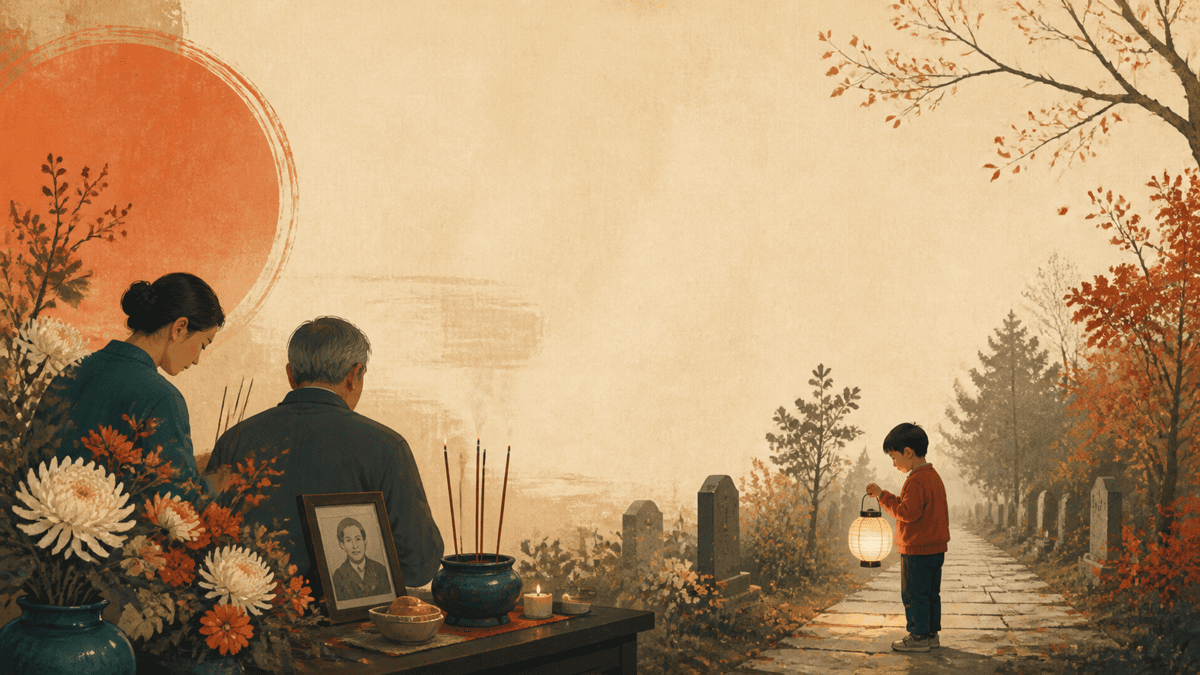
お盆
- Local date
- August 13, 2027–August 16, 2027
- When is it?
- In most regions, August 13 to August 16; local dates may vary
Obon is a time to welcome and see off ancestors. Returning home, tending graves, and local Bon odori are connected in some places, while dates and customs differ across Japan. Obon is not a statutory holiday, yet it is the year's most visible national pause: most firms set their own closure in mid-August, so the homeward traffic and the fares have a fixed peak. The welcome fire and the send-off fire at the door frame the whole thing as a round trip — a fire to bring them back, another a few days later to see them off, with the Bon dance filling the days in between.
What is this topic?
This guide looks at Ghosts, Ancestors, and Remembrance through dates, relationships, and local differences.
It does not assume that every household or community follows the same practice.
🗳️ What about you?
Asked by the 🇺🇸 English community
For the 🇮🇩 Bahasa Indonesia community
How many times a year do you visit the family graves?
Live answers aren't available right now. Read the topic below.
Sources and dates
Dates follow local time zones, calendars, and official notices. Check the source when a date is estimated or locally variable.