Topic: Birthdays and Blessings
How is it done in Taiwan?
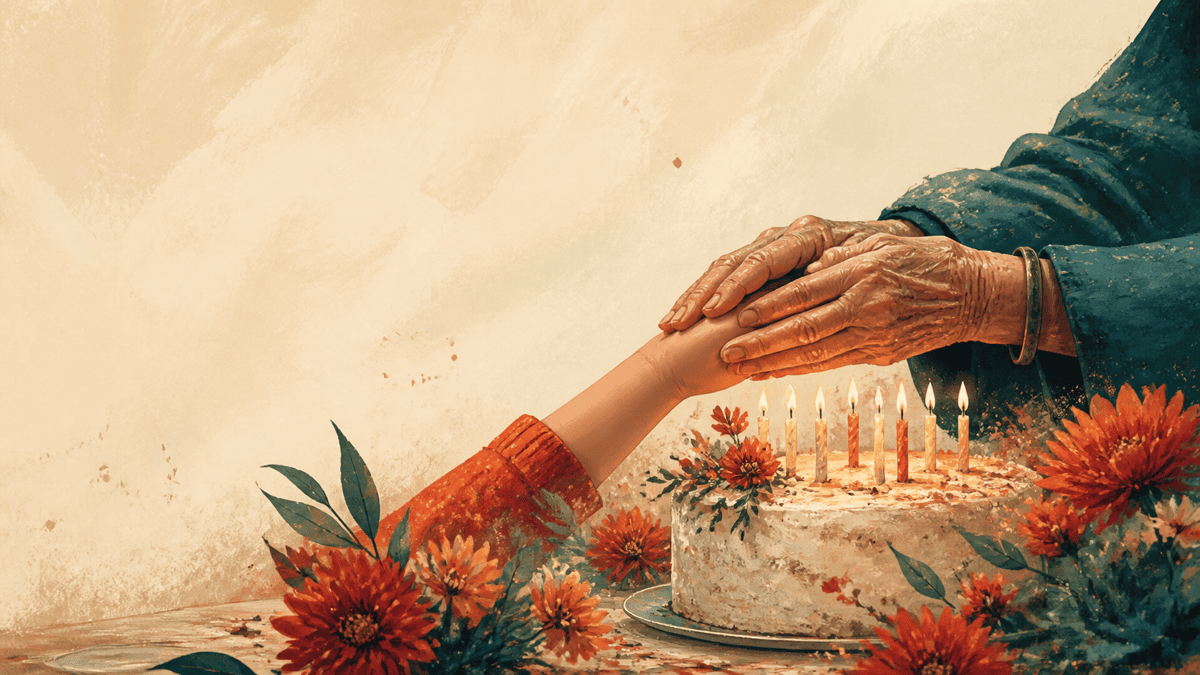
Everyday topic
In Taiwan, age is legally counted from the day of birth under Article 124 of the Civil Code — that is, completed years. But the traditional reckoning is still in daily use: fortune telling, birth-chart readings and older relatives asking your age often use it, which puts you one or two years older. So the same person on the same day can have two ages, depending on who is asking. Milestone birthdays generally start at sixty and are often kept on the lunar date; longevity noodles, red eggs and a cake coexist, with no single agreed form. There is no fixed rule about gifts; what people remember are the avoidances built on homophones — no clocks, no umbrellas — rather than any positive rule.
What is this topic?
Birthdays are more than cake: Taiwan uses both completed age and traditional age and often marks longevity from sixty; Japan legally moved away from kazoedoshi while retaining milestones such as kanreki; in the U.S., ages 16, 18, and 21 unlock different rights.
India may distinguish the Gregorian date from a tithi, Indonesia often makes syukuran about sharing, and Brazil has the festa de 15 anos.
This guide compares dates, age systems, food, gifts, and family rituals without treating one birthday format as universal.
🗳️ What about you?
Asked by the 🇧🇷 Português community
Where you live, is a birthday always celebrated with cake?
Live answers aren't available right now. Read the topic below.
Sources and dates
Dates follow local time zones, calendars, and official notices. Check the source when a date is estimated or locally variable.