Topic: Birthdays and Blessings
How is it done in Japan?
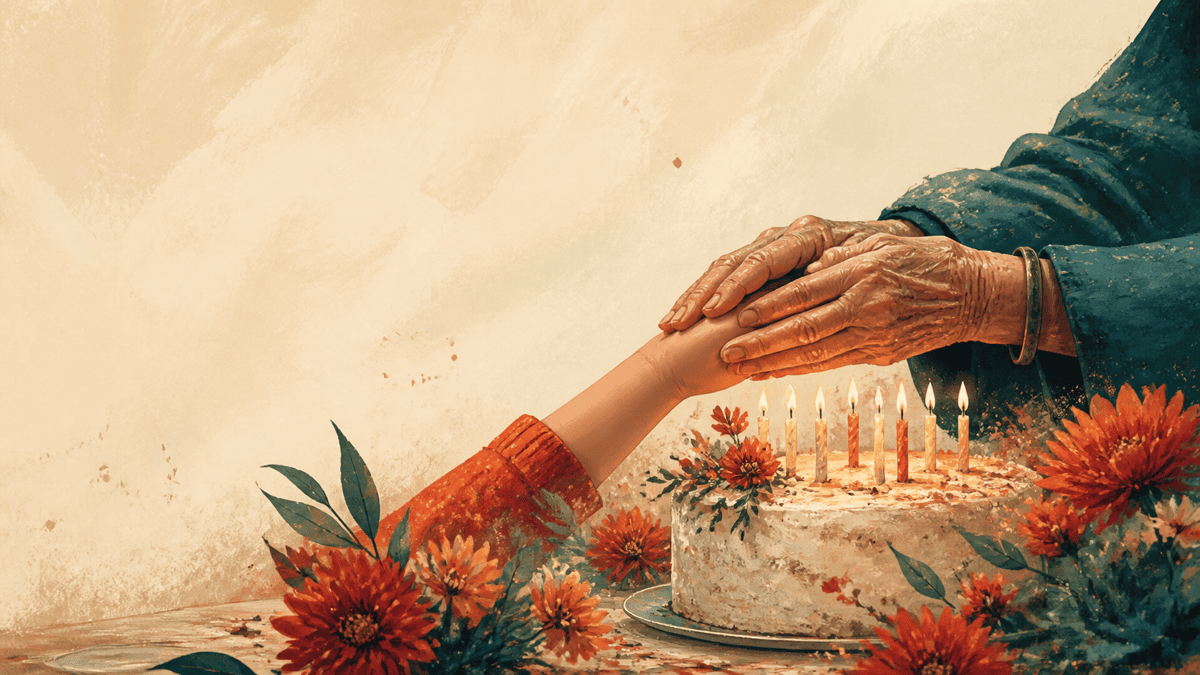
Everyday topic
Japan ended the coexistence of two age systems by statute: the Act on Stating Age, promulgated in 1949, called on the public to abandon the habit of stating age by the traditional count and instead to use the completed years calculated under the Age Calculation Act — months where less than a year — and required national and local government bodies to state age that way. It came into force on 1 January 1950. The traditional count was pushed out by legislation rather than fading on its own. Birthdays today are kept on the Gregorian date, usually with a cake and candles. Milestone ages carry their own names: sixty is kanreki, seventy koki, seventy-seven kiju, each with its own colour and its own way of being marked.
What is this topic?
Birthdays are more than cake: Taiwan uses both completed age and traditional age and often marks longevity from sixty; Japan legally moved away from kazoedoshi while retaining milestones such as kanreki; in the U.S., ages 16, 18, and 21 unlock different rights.
India may distinguish the Gregorian date from a tithi, Indonesia often makes syukuran about sharing, and Brazil has the festa de 15 anos.
This guide compares dates, age systems, food, gifts, and family rituals without treating one birthday format as universal.
🗳️ What about you?
Asked by the 🇧🇷 Português community
Where you live, is a birthday always celebrated with cake?
Live answers aren't available right now. Read the topic below.
Sources and dates
Dates follow local time zones, calendars, and official notices. Check the source when a date is estimated or locally variable.