How does China mark Lantern Festival?
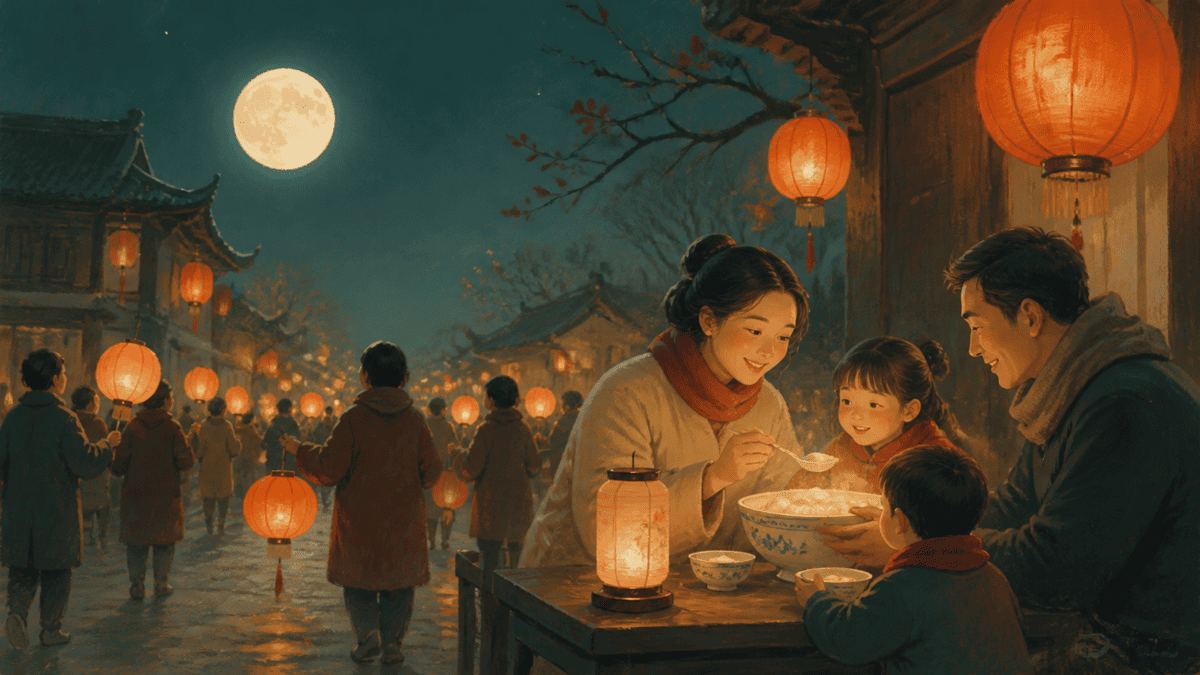
元宵节
- Local date
- February 20, 2027
- When is it?
- The 15th day of the first lunar month; not included among the holidays on which all citizens get a day off
Mainland China keeps the same date and much of the same practice — yuanxiao or tangyuan, and lantern viewing — but the festival is not among the days off for all citizens in the national holiday regulation, so the 15th is a working day. Lantern displays and temple fairs are arranged locally, and their scale, or whether they happen at all, differs by city rather than following a nationwide holiday.
秦淮灯会(南京)
- Local date
- February 20, 2027
- When is it?
- During the period from the Spring Festival to the Lantern Festival, around the Fuzimiao (Confucius Temple) area in Nanjing City, Jiangsu Province
The Lantern Festival in mainland China is not only 'the day nobody gets off' — it also has local versions listed on the national register in their own right. The Qinhuai Lantern Fair in Nanjing, Jiangsu, also called the Jinling Lantern Fair, runs across the stretch from Spring Festival to the Lantern Festival and was named in the first batch of national intangible heritage in 2006. Records place lantern fairs in Nanjing as far back as the Southern Dynasties, said to be the finest in the country; the saying that Qinhuai's lanterns were the best under heaven followed the Hongwu Emperor's promotion of the festival in Nanjing in the early Ming. Historically spread along the Qinhuai River, it concentrated around the Confucius Temple in the twentieth century, with the core area now taking in the Confucius Temple, Zhan Garden and Bailuzhou Park.
What is this topic?
The same lunar date is three different scenes in Taiwan alone — eating tangyuan and walking through a lantern display, releasing sky lanterns in Pingxi, or standing inside a wall of exploding fireworks in Yanshui — while in mainland China it is a working day, not one of the days off for all citizens.
This page compares ritual intensity and civic status under one calendar date.
🗳️ What about you?
Asked by the 🇺🇸 English community
For the 🇹🇼 中文(台灣) community
On the fifteenth night after Lunar New Year, is there a lantern event where you are?
Live answers aren't available right now. Read the topic below.
Sources and dates
Dates follow local time zones, calendars, and official notices. Check the source when a date is estimated or locally variable.