How does Japan mark Beer Festivals?
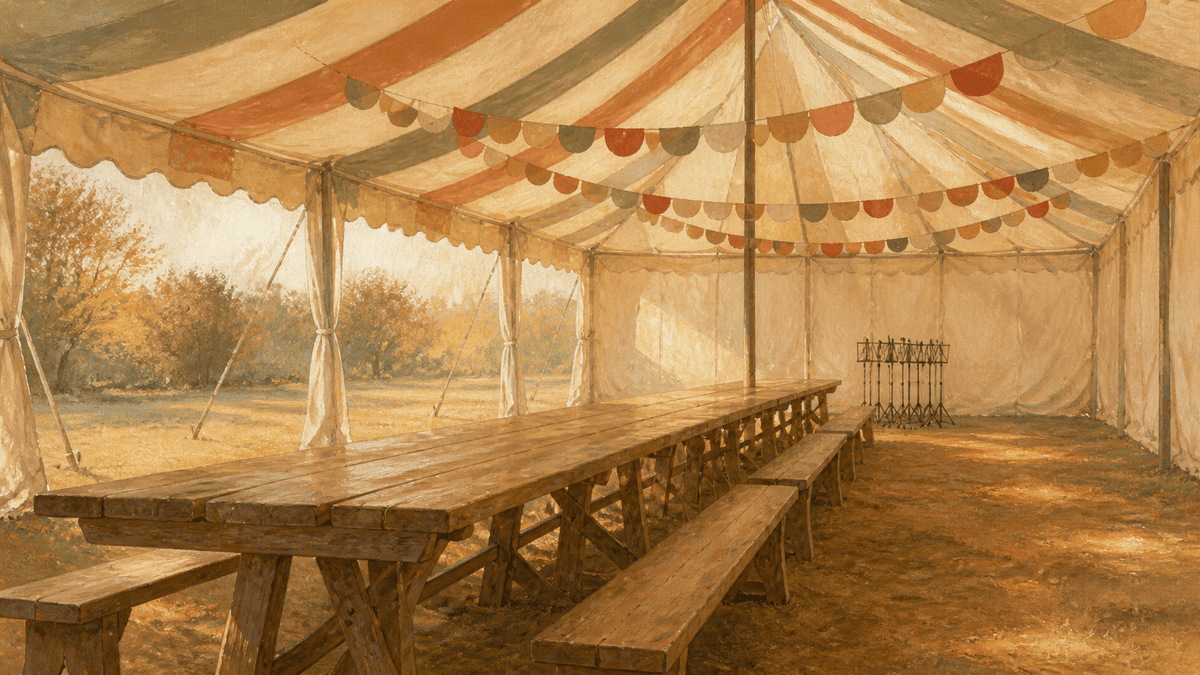
横浜オクトーバーフェスト
- Local date
- September 17, 2027–October 3, 2027
- When is it?
- About seventeen days, from a Friday in mid-September to the first Sunday in October, announced each year by the organiser.
Japan treats the festival as a venue event. Yokohama Oktoberfest ran from 18 September to 4 October 2026, seventeen days, on the event plaza of the Yokohama Red Brick Warehouse; because the warehouse borrows elements of German architecture, a Japanese Oktoberfest has been staged there since 2003, and 2026 was the twenty-third edition. Following Munich practice, five of the six breweries recognised by the German government took part, with more than twenty stalls. The event has no place in Japan's holiday law; what actually governs it is tax law. The National Tax Agency requires anyone setting up a temporary retail point to sell alcohol at an exhibition site to obtain a time-limited retail licence from the district tax office, in principle applied for two weeks before opening, or notified ten days ahead where the conditions are met. Those conditions include that the venue is not managed by the organiser itself, that the same party may file only once a month for the same place, and that selling alcohol must not be the main purpose of the event. Japan regulates the licence, not the festival.
What is this topic?
The same German festival, exported, and the decisive difference is where the state stands.
Brazil's Oktoberfest in Blumenau is run by the city itself — the venue is listed among the municipal organs.
China's Qingdao International Beer Festival is run by the municipal government and falls in July and August, not October, tracing back to a brewery German and British merchants built in Qingdao in 1903.
In the United States the Cincinnati festival is privately run and the state's only role is a temporary liquor permit that by law may not be issued for private gain.
In Indonesia, alcohol control means the event does not exist at all.
🗳️ What about you?
If your city were to hold a beer festival, who would you want running it?
Live answers aren't available right now. Read the topic below.
Sources and dates
Dates follow local time zones, calendars, and official notices. Check the source when a date is estimated or locally variable.